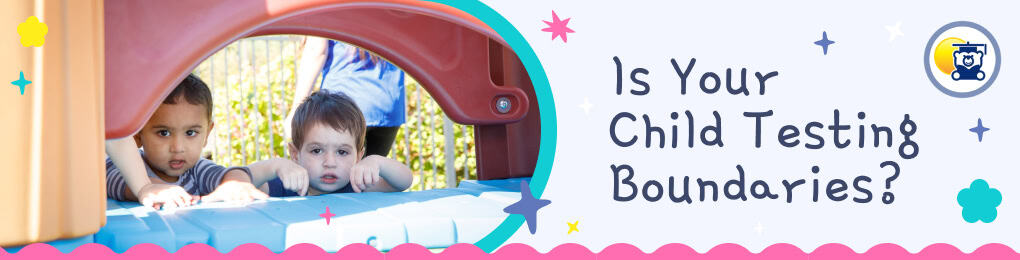
Children are going to ignore you, break rules, and throw tantrums. This doesn’t mean you’ve failed as a parent. In fact, these are all natural ways toddlers test boundaries as they get older. This is actually a huge milestone for their development, as testing boundaries helps them foster independence, learn self-control, and understand consequences.
We see children push boundaries every day in our childcare facilities, as well as help them and their parents navigate this emotional part of growing up. We’ve found that practicing Conscious Discipline and following these steps helps children grow and learn about boundaries:
- Remain calm
- Let children know what to expect
- Use natural consequences and positive reinforcement
- Create a safe place for your child
- Assign age appropriate chores
- Identify signs of child anger issues
Ready to successfully help your child the next time they test a boundary? Let’s get started.
Remain Calm
Children often test boundaries when they are experiencing big feelings and aren’t sure how to navigate them. Even when emotions run high, it’s important that you remain calm so you can better help your child. When you see your child testing a boundary, take a few deep breaths before speaking to your little one in a calm tone. This not only prevents rising tempers but also models to children the behavior you want to see from them. Remember, children love to copy their parents, so the more you model self-regulation, the more likely they are to adopt this practice.
Let Children Know What to Expect
While big emotions can cause children to test boundaries, sometimes children do so because they are confused. They don’t know what behavior is expected of them or what they should do unless you tell them. This is why having a toddler schedule is so important. By having a set routine, you help children know what to expect throughout the day and what they will do next. You may even create a fun chart with a daily toddler schedule on it to help your child visualize what’s going to happen throughout the day. This reduces their stress and confusion, making it easier for them to follow rules and regulate their own emotions.
Use Natural Consequences and Positive Reinforcement
It can be incredibly stressful when your child argues with you, throws a tantrum, or tests their boundaries in some other intense way. You don’t want to encourage this behavior, but negative responses like shouting at your child can actually make them repeat the behavior. To a toddler, any attention is good attention. Instead of fighting with your toddler, gently explain to them the natural consequences of what they are doing. For example, “If you hit other children, they won’t want to play with you.” Or “If you throw your food off your plate, you won’t get to eat dinner and will be hungry later.” Sometimes telling isn’t enough, and you have to let the natural consequences play out so your child can learn not to cross the boundary.
Don’t focus solely on correcting your child when they push a boundary. Use the Conscious Discipline tactic of positive reinforcement to encourage your child’s good behavior. For example, praise your child when they follow instructions or when they are able to calm themselves down. Just be sure to be specific with your praise, mentioning exactly what they did that was good, so they know to repeat that behavior specifically.
Create a Safe Place for Your Child
When emotions run high, it’s not uncommon for children to act out and push their limits. If your child is especially upset and can’t calm down, it’s time to take them to a safe place. This is an area in your home where your child can go to regulate their emotions. But what if you’re out in public and your child starts throwing a tantrum? Take a deep breath and take your child to a quiet area where the two of you can sit together and work through their feelings. The goal here is to teach your child how to regulate their big emotions. And once they’ve calmed down, you can talk to them about what happened and why they shouldn’t have acted that way.
Assign Age-Appropriate Chores
The older children get, the more independent they become. Pushing boundaries is often a sign that your child is ready for more autonomy. One way you can help nurture their independence and reduce bad behavior is by giving them age-appropriate chores. For little ones, chores aren’t a bore. In fact, chores can make your toddler feel important and like they are able to help you. This also helps create a strong work ethic and sets expectations for helping around the house.
If your child is between the ages of two and three, they may not be ready for fully independent tasks. Consider supervising them in these age-appropriate chores:
- Putting their toys away
- Placing clothing in the hamper
- Wiping up spills
- Helping load the washer and dryer
If your child is between the ages of four and five, they should have better hand-eye coordination and be able to follow instructions. Consider letting them do these age-appropriate chores on their own:
- Making their bed
- Pulling weeds
- Watering flowers
- Putting away clean utensils
- Helping bring in light groceries
- Sorting laundry into whites and colors before wash
Not only will these age-appropriate chores help keep your little one busy, but they will also teach independence and support cognitive development.
Identify Signs of Anger Issues
Every child pushes boundaries and throws a tantrum from time to time. But if these acts go too far, it could be a sign of child anger issues. Every child is different and will have different kinds of tantrums, but there are some general signs to look out for when it comes to abnormal responses:
- Tantrums continue after the age of six
- Meltdowns last longer than 10 minutes
- Children hurt themselves or others during outbursts
- Frequent, intense tantrums
Countless factors can cause child anger issues, from trauma to mental health disorders. If your child is exhibiting signs of anger issues, don’t ignore it. Try to understand what causes your child’s tantrums and do what you can to help your child through them. For example, if your child throws a fit every time you turn off the television, give them ample warnings and use a toddler schedule chart to get them ready for the transition with less stress. If anger issues persist, don’t be afraid to reach out to a mental health professional, or your child care team, who can help diagnose and manage child anger issues.
Toddlers and Testing Boundaries FAQs
Conscious discipline focuses on teaching children how to regulate emotions, understand boundaries, and feel safe while learning appropriate behavior. It works well for toddlers because it meets them at their developmental level.
Yes, testing boundaries is a normal part of development. Toddlers use this behavior to learn independence, limits, and cause and effect.
A consistent toddler schedule helps children know what to expect, which reduces anxiety and confusion. Predictability makes it easier for toddlers to follow rules and regulate emotions.
Age appropriate chores include putting toys away, placing clothes in a hamper, wiping spills, or helping with simple household tasks. These chores build confidence and responsibility.
Yes, giving children meaningful age appropriate chores helps them feel capable and valued, which often reduces power struggles and negative behavior.
Conscious discipline uses calm guidance, natural consequences, and positive reinforcement instead of punishment. The goal is teaching skills rather than controlling behavior.
Occasional tantrums are normal, but child anger issues may involve frequent, intense outbursts, aggression, or difficulty calming down over time.
Yes, a clear toddler schedule can reduce transitions that trigger frustration. Visual schedules and warnings before changes help children feel more in control.
Children can begin simple age appropriate chores as early as two years old with supervision. Tasks should match their abilities and attention span.
If tantrums last longer than ten minutes, involve harm, or continue past early childhood, it may be time to speak with a pediatrician or child development professional.
Your Child Is Growing and You Can Help Them
Pushing boundaries is a natural part of childhood development. It helps them understand expectations, rules, and their own independence in the world. Even during these times of exploration, your child will likely look to you for a reaction or what to do next. That can be a lot of pressure. The good news is you don’t have to lead your child through this stage of development alone. Sign up for our monthly newsletter for tips and activities you can use to help your child grow.
Enjoy content from Kiddi Kollege? Make us one of your preferred sources on Google.